
iliastarbusinessgroup.ir


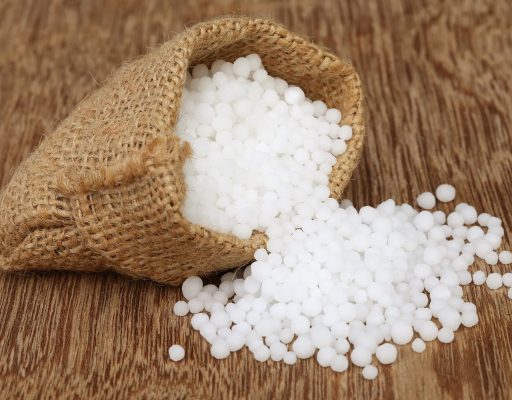
Urea, also known as urea, is an organic compound with the chemical formula CO(NH2)2. It is a colorless, odorless, highly soluble in water and practically non-toxic solid. Dissolved in water, it is neither acidic nor alkaline. The introduction and scientific invention of urea is recognized as a life-changing event in the history of agriculture. Urea N46% is the most common nitrogen fertilizer in the world and has been used equally on all agricultural lands in the world. Never before has agriculture seen such a boom in production as well as prosperity. Urea is pH neutral and compatible with almost all soil types. It is a naturally occurring waste product of protein metabolism in humans as well as other mammals, amphibians, and some fish. Urea is widely used in the agricultural sector both as a fertilizer and as an animal feed additive.
Over the past decade urea has been seen as an excellent substitute for ammonium nitrate and has set unprecedented new production records. The white, crystalline solid consists of a proportional mixture of more than one nutrient and contains 46% nitrogen. Farmers are known with this chemical fertilizer as a big ladder for huge success in the agricultural revolution. The combination of nutrients produced by urea increases soil productivity and enriches its nutrients. Urea maintains the life of the plant by supplying the elements needed by each plant.
More than 90% of the world's industrial production of urea is for use as a nitrogen-releasing fertilizer. Urea has the highest amount of nitrogen among all solid nitrogen fertilizers. Therefore, it has the lowest transportation cost per unit of nitrogen nutrient. Urea fertilizers are quickly converted into ammonium form in the soil.
Worldwide, urea N46% is one of the most widely used sources of dry seed nitrogen. Because it is relatively easy to produce, it is preferred by the fertilizer industry. Urea also has a high nitrogen content (46%) compared to other popular nitrogen sources (such as ammonium nitrate). On a ton to ton basis, urea contains 35% more nitrogen than ammonium nitrate. This has implications for storage and transportation of nitrogen fertilizer products. Urea is considered a relatively stable product to store and transport, which is why it is so economical to transport urea compared to its most common substitute, ammonium nitrate.
Benefits of urea fertilizer
Superior nitrogen content
Low production cost, as a natural resource
Non-flammable and non-hazardous storage
A wide range of applications, for all types of crops and soil
Neutral pH and harmless to crops and soil
It is expected that in 2022, the potential supply of urea fertilizer will reach 197 million tons. The increase in the price of products leads to an increase in the demand for fertilizer, and it has been especially noticed in South Asia in recent years. Favorable weather also increases the demand for fertilizers in major agricultural areas.

بستن *نام و نام خانوادگی * پست الکترونیک * متن پیام |
.png)
.png)
.png)
.png)
.png)